Crooked Teeth: Causes, Health Risks & Treatment Options Beyond Braces
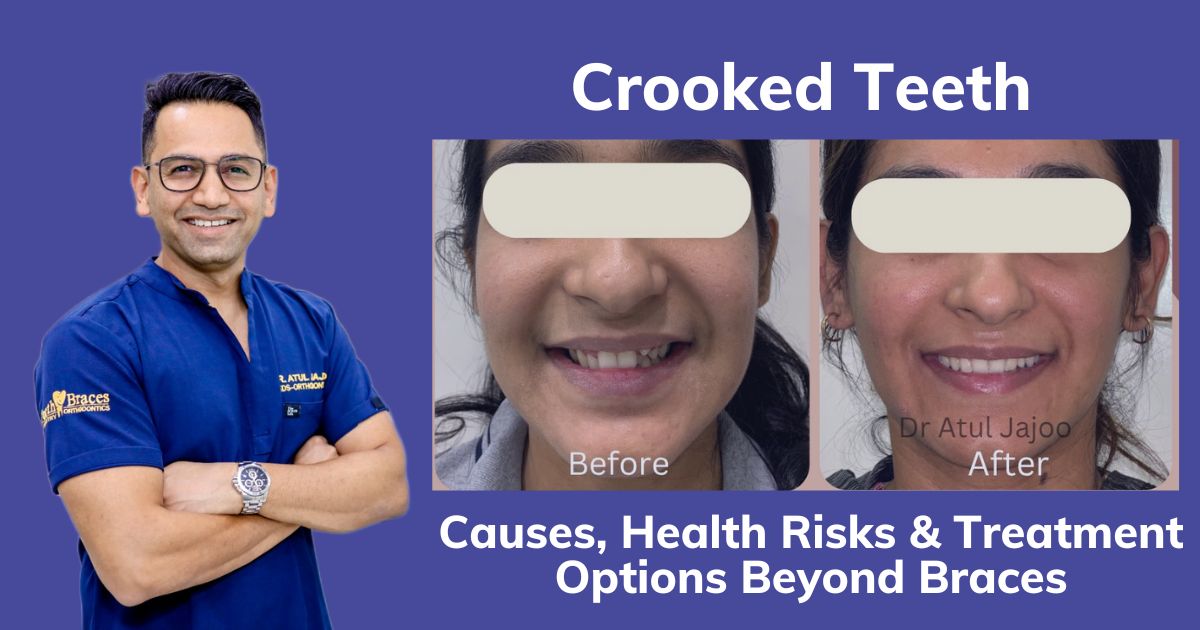
Crooked teeth are often seen as a cosmetic concern, especially when the front teeth overlap or sit unevenly. But alignment can affect more than the appearance of your smile. It can influence how easily you clean between teeth, how your bite comes together and in some cases, the health of your gums and teeth.
The reasons behind crooked teeth can vary from genetics and childhood habits to previous orthodontic treatment and natural changes with age. That means there is no single treatment that works for everyone.
Understanding what is causing the problem is the first step. It can help you decide whether treatment is necessary and whether braces, clear aligners or another approach would be appropriate.
What Causes Crooked Teeth?
Crooked teeth can develop for several reasons and sometimes there is more than one contributing factor. Genetics can influence jaw size and tooth size, leaving less room for teeth to erupt comfortably. When available space is limited, teeth may overlap or turn.
Childhood habits can also influence development. Prolonged thumb sucking, tongue thrusting and certain patterns of mouth breathing may affect how the teeth and jaws develop. Losing baby teeth too early can also allow neighbouring teeth to drift into spaces needed by permanent teeth.
For adults, teeth may gradually shift after previous orthodontic treatment, particularly when retainers are not worn as advised. Ageing can also bring subtle changes to tooth position.
Understanding these causes matters because treatment should address the underlying issue, not simply make the visible smile appear straighter.
When Do Misaligned Teeth Become a Concern?
Misaligned teeth are not automatically a dental problem. A small irregularity may have little impact on oral health or function and may only concern you from an aesthetic perspective.
More significant misaligned teeth, however, can create areas that are difficult to brush and floss. Overlapping teeth may trap food and plaque, while an uneven bite can place excess force on particular teeth.
This is where the health effects of crooked teeth become relevant. Not everyone with uneven alignment develops complications, but significant crowding may make cleaning and comfortable chewing more difficult.
A professional assessment can help distinguish between a cosmetic concern and an alignment issue that may benefit from treatment.
Understanding the Health Effects of Crooked Teeth
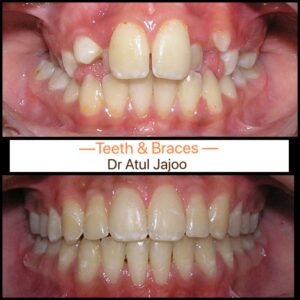
The health effects of crooked teeth depend on the type and severity of the alignment problem. Teeth that overlap heavily can be harder to clean, increasing the possibility of plaque build-up and gum inflammation.
Certain bite relationships may also contribute to uneven tooth wear. In some cases, chewing may feel uncomfortable or less efficient.
It is important to keep this in perspective: the health effects of crooked teeth vary from person to person and not every case needs correction. Treatment should be considered when there is a clear functional, oral-health or aesthetic reason.
If an orthodontist recommends treatment, the aim should be more than creating a straighter smile. The goal is to improve alignment while supporting healthy gums, comfortable function and long-term stability.
What Is the Right Treatment for Crowded Teeth?
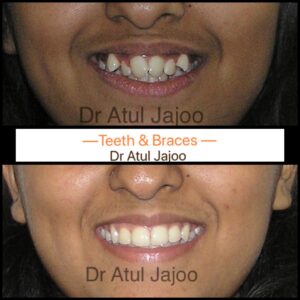
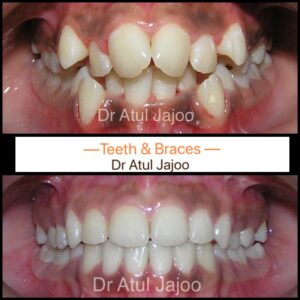
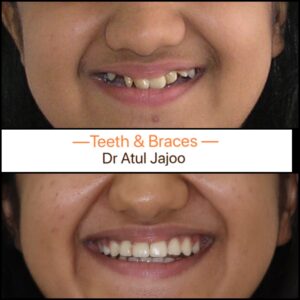
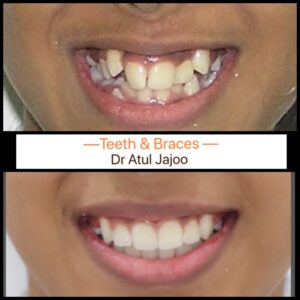
The appropriate crowded teeth treatment depends on how much space is available, where the teeth are positioned and whether the problem is mainly dental or related to jaw development.
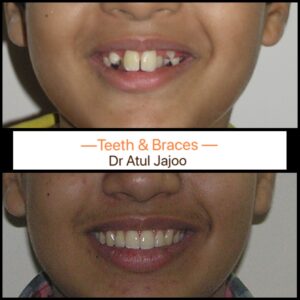
Traditional braces remain a reliable option for many cases, particularly when more complex tooth movements are required. Clear aligners can also be suitable for a range of alignment concerns and may appeal to adults who prefer a discreet, removable appliance.
The best choice depends on your individual diagnosis rather than which appliance happens to be most popular. A detailed assessment is especially important when choosing a crowded teeth treatment if there are significant bite concerns or previous dental work.
For some patients, a crowded teeth treatment using clear aligners may be practical, while others may benefit from fixed appliances that provide greater control over specific movements.
What Options Are Available Beyond Traditional Braces?
Braces are no longer the only way to improve tooth alignment. Depending on your case, orthodontic treatment may include ceramic braces, lingual braces or clear aligners.
Ceramic braces use less noticeable brackets, while lingual braces are positioned behind the teeth. Clear aligners use a series of customised trays to guide planned tooth movements and can be removed for eating and oral hygiene.
These alternatives can be useful for patients who want a more discreet form of treatment, but suitability still matters. A treatment that works well for one person may not be appropriate for another.
The best option is determined by the movements your teeth need, your oral health and how consistently you can follow treatment instructions. Convenience should be part of the decision, but it should not replace clinical suitability.
Can Cosmetic Dentistry Fix Crooked Teeth?
Cosmetic dentistry can sometimes improve the appearance of slightly uneven teeth, but it does not replace orthodontic treatment when teeth need to be physically moved.
Bonding or a porcelain veneer can alter the visible shape of an individual tooth. Smile design can also help plan changes to tooth proportions, colour and overall appearance when a cosmetic approach is suitable.
However, using cosmetic treatment to disguise significant misalignment may involve altering healthy tooth structure without addressing the underlying bite.
If alignment is the main concern, orthodontic treatment is usually the more direct solution. Cosmetic dentistry can then be considered later if additional aesthetic refinement is appropriate.
Is Treatment Only for Children?
There is no age limit that automatically rules out orthodontic treatment. Children may benefit from an early assessment when developing bite or spacing concerns are noticed, but the right timing depends on the individual.
For adults, treatment can be equally appropriate if the teeth, gums and supporting bone are healthy. Adults may seek treatment because they never had it earlier, because their teeth have shifted or because a long-standing concern is now affecting their confidence.
This is why kids dentistry and adult orthodontic care require different considerations. Growing jaws and developing teeth need age-appropriate assessment, while adults may have previous restorations, gum concerns or established bite patterns to account for.
Whatever your age, the key question is whether treatment would be beneficial for your particular smile.
How Is the Right Treatment Decided?
An orthodontic assessment looks at more than the front teeth. Your orthodontist may examine the bite, jaw relationship, tooth positions, gum health and available space. Depending on the case, photographs, digital scans or X-rays may also be recommended.
This helps identify the cause of the misaligned teeth and determine whether the health effects of crooked teeth are relevant in your case.
It also makes treatment planning more realistic. You should understand what needs to change, which options are available, how long treatment may take and what will be needed to maintain the result.
A good recommendation should be based on diagnosis, not simply on what is currently popular.
Can Teeth Become Crooked Again?
Teeth can shift after orthodontic treatment. This is why retainers are an important part of maintaining alignment once active treatment has finished.
Patients who have had substantial crowding may be particularly concerned about relapse. Following your retention plan helps reduce unwanted movement and protect the result you have achieved.
Good oral hygiene and regular dental care also matter. Correcting crooked teeth is only one part of the process; keeping them healthy and stable afterwards is equally important.
When Should You Consider Treatment?
If your teeth are difficult to clean, your bite feels uneven, you notice excessive wear or you feel self-conscious about your smile, an orthodontic assessment can help you understand whether treatment is worthwhile.
You do not need to wait for pain. Many alignment problems exist without obvious symptoms and an assessment can clarify whether monitoring or active treatment is more appropriate.
For someone looking for a crowded teeth treatment, this conversation is especially useful because the amount of crowding, bite and available space can influence the recommended approach.
Understanding the health effects of crooked teeth can also help you decide whether a concern is simply visual or something worth addressing for your long-term oral health.
A Straighter Smile Starts With the Right Diagnosis
Crooked teeth can have very different causes and effects. For one person, the concern may be mainly aesthetic. For another, it may involve crowding, difficulty cleaning, bite problems or tooth wear.
That is why treatment should begin with understanding the individual rather than choosing an appliance based on appearance alone. The right crowded teeth treatment should address the actual alignment issue while taking comfort, oral health and long-term stability into account.
At Teeth & Braces by Dr. Atul Jajoo, treatment planning considers alignment, bite, oral health and each patient’s individual goals. Dr. Atul Jajoo brings specialist expertise in orthodontics and dentofacial orthopedics, helping patients understand the available options before deciding how to proceed.
If you are concerned about crooked teeth, misaligned teeth or the health effects of crooked teeth, book a consultation with Dr. Atul Jajoo in Indore. Whether you are considering braces, clear aligners or another approach, a detailed assessment is the right place to begin.
FAQs:
Q1. Are crooked teeth harmful?
Not every case causes problems, but significant misalignment can make cleaning difficult or affect bite function and tooth wear. An orthodontic assessment can determine whether treatment would be beneficial.
Q2. What is the best treatment for crowded teeth?
The right crowded teeth treatment depends on the amount of crowding, tooth position, bite and overall oral health. Braces and clear aligners are common options, but suitability should be assessed individually.
Q3. Can clear aligners treat crooked teeth?
Clear aligners can correct many types of misaligned teeth when the case is suitable and the trays are worn as prescribed. More complex movements may require fixed appliances or another approach.
Q4. Can a porcelain veneer straighten crooked teeth?
A porcelain veneer can change the visible shape of a tooth but does not physically move it. Significant alignment concerns are generally better addressed through orthodontic treatment first.



Leave a Comment