
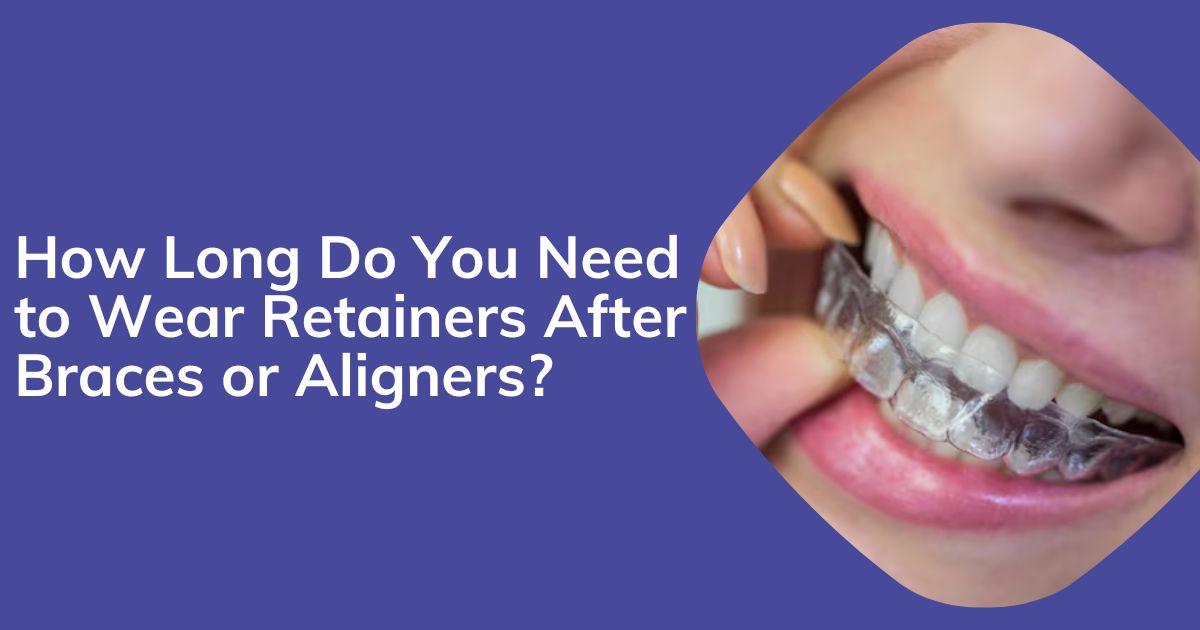
How Long Do You Need to Wear Retainers After Braces or Aligners?
Completing your braces or aligner treatment is an exciting moment. You finally see that straighter, healthier and more confident smile you’ve worked so hard for. But the journey doesn’t end the day your braces come off or your last aligner comes out, this next phase is just as important. Wearing retainers after braces is what protects all the progress you’ve made and keeps your teeth from shifting back. Many patients are unsure how long this routine lasts, whether the schedule differs for each person and what happens if they skip retainer wear.
This blog breaks everything down in a simple, practical and expert-backed way so you understand your next steps clearly and avoid unwanted changes like teeth relapse.
Why Retainers Matter After Braces or Aligners
After any orthodontic treatment, your teeth are still settling into their new positions. The surrounding bone, gum tissues and ligaments need time to stabilise and this doesn’t happen overnight. This is exactly why retainers after braces are crucial. Without them, teeth naturally drift back towards their previous state, a process known as teeth relapse. Wearing retainers consistently ensures your smile stays aligned, balanced and stable long after your active treatment is complete. In fact, orthodontic research shows that even perfectly corrected teeth can shift if proper orthodontic retention isn’t followed. This phase is your insurance policy for lasting results. Whether you completed treatment with traditional braces or modern aligners, retainers are a vital part of maintaining your new smile.
Also Read: Post Braces Care: How to Maintain Your Smile After Braces
How Long Do You Actually Need to Wear Retainers After Braces?
The answer isn’t the same for everyone because every smile, bone structure and case complexity is unique. However, most orthodontists follow a general guideline that starts with full-time wearing of retainers after braces and gradually shifts to night-time use.
Typically, the timeline looks like this:
1. First 6–12 Months: Full-Time Wear
This is the most crucial period. Your retainer duration will be highest now because your teeth are the most vulnerable to shifting. Orthodontic tissues are still soft, flexible and adjusting to their new positions.
2. After 1 Year: Night-Time Wear
As stability improves, most patients transition to wearing retainers only at night. However, consistent use is still essential to prevent small but noticeable alignment changes.
3. Long-Term: A Few Nights a Week for Life
While this may sound surprising, long-term orthodontic retention is recommended for the best results. Teeth can continue moving slightly with age, grinding or lifestyle habits, so wearing retainers a few nights a week is the simple solution to keep your smile straight for life.
The more committed you are to this schedule, the lower your chances of experiencing teeth relapse years later.
Also Read: Before & After Braces: 6 Things No One Tells You About the Transformation Journey
Why Retainer Duration Varies for Each Patient
Not every patient requires the same duration of wear. Several individual factors influence how long you’ll need retainers after braces:
• Complexity of Your Original Misalignment:
Patients with severe crowding or gaps generally need longer orthodontic retention than those with mild adjustments.
• Type of Treatment:
Braces and aligners both move teeth, but their retention needs may differ slightly. Aligner patients often benefit from consistent night-time retention.
• Bone Maturity:
Teenagers may require longer retainer duration because their jaws are still growing, increasing the risk of teeth relapse.
• Lifestyle Habits:
Grinding, clenching or tongue-thrusting can push teeth out of alignment faster.
This is why personalised guidance from your orthodontist matters so much. There is no universal rule; your treatment history determines your ideal retention plan.
Types of Retainers and How They Affect Retainer Duration
Understanding the type of retainer you have can help you manage expectations. The common options are:
1. Removable Retainers (Hawley or Clear)
These are worn full-time initially and then gradually reduced as advised. They offer flexibility because you can remove them while eating or brushing.
These thin wires are attached behind the teeth and stay in place for years. They offer permanent orthodontic retention, especially for those prone to teeth relapse.
3. Clear Thermoplastic Retainers
These look similar to aligners. They’re discreet, comfortable and ideal for maintaining results from braces or clear aligner treatments.
Each type works differently, but all play a vital role in ensuring your teeth do not shift back after treatment completes.
Also Read: 4 Types of Braces You Should Know Before Starting Treatment
What Happens If You Don’t Wear Your Retainers Consistently?
Skipping your retainers after braces, even for a short time, can lead to noticeable changes. Teeth relapse doesn’t always happen instantly, but subtle shifts can begin within days or weeks. Over time, these small movements can become larger gaps, overlaps or bite issues. If you stop wearing retainers for long periods, you may require corrective aligner treatment again to regain the results you once had. Even minor relapse can require intervention if it affects your bite or smile aesthetics. Consistent orthodontic retention is far easier than starting treatment all over again.
How to Care for Your Retainers Properly
To make the most of your retainers after braces, proper care is essential. Clean them daily using a soft brush and mild soap. Avoid using hot water as it can warp the material. For removable retainers, always store them in their protective case when not in use, most retainer losses happen because they’re wrapped in tissues or kept loosely in bags. For fixed retainers, ensure your brushing and flossing are thorough to prevent plaque buildup along the wire. Good care extends the life of your retainers and keeps them functioning effectively.
Signs That Your Retainer Needs Replacement
Even with good care, retainers eventually wear out. Watch for signs like cracks, bending, loosening or discomfort while wearing them. Clear retainers may lose shape over time, affecting their effectiveness. If your retainer no longer fits tightly, you may be at risk of teeth relapse and it’s important to consult your orthodontist immediately for replacement. Regular follow-ups make sure your retainer duration and appliance strength are aligned with your smile’s needs.
Why Retainers Are a Lifelong Investment in Your Smile
Your smile constantly adapts to changes in bone structure, facial muscles, ageing and daily habits. This means orthodontic retention is not just a post-treatment phase, it’s a long-term commitment to keeping your smile aligned and confident. Think of retainers as the final stage of your orthodontic journey, the one that protects everything you’ve worked for. Wearing retainers after braces long-term is a simple habit that pays off with lasting results.
Your Smile Deserves Expert Guidance and Long-Term Care
The retention phase shapes the success of your entire orthodontic journey. Wearing retainers after braces consistently, following the right retainer duration and preventing teeth relapse are steps that rely heavily on clear instructions and specialist supervision. Choosing an orthodontist who prioritises accuracy, transparency and long-term stability ensures your smile stays aligned for years to come.
If you want personalized retention guidance and expert support from a specialist with extensive experience in orthodontic retention, it’s important to trust someone who combines clinical expertise with genuine patient-centric care. With years of advanced training and a strong reputation across Indore, Dr. Atul Jajoo offers specialised post-treatment support, precise monitoring and retention plans tailored to your unique needs.
To protect your smile and ensure it remains beautifully aligned, book your consultation today and take the next confident step towards lifelong dental stability.
FAQs about Dental Retainers
1. Why are retainers necessary after braces or aligners?
Retainers are essential because your teeth need time to stabilise in their new positions after treatment. The bone and tissues around them are still soft and adjusting. Without retainers, this can lead to gradual teeth relapse, undoing the progress made. Wearing them ensures your results stay intact long-term and prevents the need for corrective treatment again.
2. How long should I wear my retainers daily?
In the early months, most patients need full-time wear, which gradually shifts to night-time use based on your orthodontist’s advice. Your retainer duration depends on how your teeth respond and the complexity of your original alignment. Consistency is key to avoiding shifts that may require additional correction in the future.
3. Can teeth still move even years after treatment?
Yes, teeth naturally move throughout life due to aging, daily habits and pressure from chewing. This is why long-term orthodontic retention is recommended for everyone. Wearing your retainers a few nights a week, even years later, helps prevent unwanted teeth relapse and keeps your smile stable.
4. What should I do if my retainer feels loose or uncomfortable?
A loose retainer is a sign that it may not be holding your teeth effectively. This could lead to small but noticeable movements that worsen over time. Visit your orthodontist as soon as possible for assessment or replacement. Continuing to wear a distorted retainer can reduce its effectiveness and compromise your alignment.



Leave a Comment