
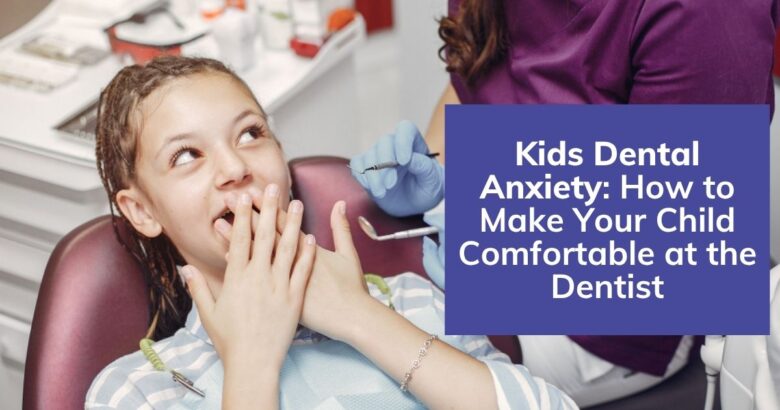
Kids Dental Anxiety: How to Make Your Child Comfortable at the Dentist
A visit to the dentist may seem like a routine appointment for adults, but for a child, it can feel unfamiliar and intimidating. New surroundings, unfamiliar sounds, dental instruments and the fear of discomfort can make even a simple check-up stressful. The good news is that dental anxiety can often be managed with patience, preparation and a supportive approach.
Finding the right pediatric dentist in Indore is one part of the process, but what parents do before, during and after an appointment matters just as much. With the right guidance, children can gradually become more comfortable with dental care and develop healthy habits that last into adulthood.
Why Do Children Feel Anxious About Dental Visits?
Children may feel nervous about dental appointments for several reasons. They might be afraid of pain, dislike unfamiliar environments or feel uneasy when someone examines their mouth. Some children also absorb anxiety from parents, while others become frightened after hearing negative stories from friends or family.
A previous uncomfortable experience can make future appointments more difficult, too. Even children who have never visited a dentist may feel anxious simply because they do not know what to expect.
A compassionate pediatric dentist in Indore understands that a child’s fear is real, even when the procedure itself is simple. Instead of dismissing those feelings, the aim is to help the child feel safe, understood and gradually more confident.
When to Take Kids to Dentist for the First Time?
Parents often wait until their child complains of a toothache or develops a visible dental problem. However, preventive dental care should begin much earlier.
The general recommendation is to schedule the first dental visit by a child’s first birthday or within six months of the first tooth appearing, whichever comes first. This helps the dentist monitor oral development, identify early concerns and guide parents on brushing, feeding habits and cavity prevention.
Understanding when to take kids to the dentist is important because baby teeth play a meaningful role in chewing, speech development and maintaining space for permanent teeth. Even though these teeth eventually fall out, they still need proper care.
Knowing the right first dental visit age also gives parents an opportunity to ask questions before problems arise. An early appointment does not necessarily mean treatment is required; often, it is about prevention, familiarisation and guidance.
A qualified kids dentist in Indore can help make this first experience relaxed and age-appropriate, allowing the child to become familiar with the dental setting before more complex treatment is ever needed.
7 Practical Ways to Help Your Child Feel Comfortable at the Dentist
1. Talk About the Visit in a Positive, Simple Way
Children feel more secure when they know what to expect. Explain that the dentist will count their teeth, check their smile and help keep their mouth healthy. Avoid giving too many details or describing procedures that may sound frightening.
When discussing when to take kids to dentist, parents should also consider how they introduce the idea. A calm, reassuring conversation can help a child approach the appointment with curiosity rather than fear.
Avoid saying things like “It won’t hurt” or “Don’t be scared”, as these statements may unintentionally introduce the idea of pain. Instead, say, “The dentist will help us look after your teeth, and I’ll be there to support you.”
2. Choose a Dentist Who Understands Children’s Needs
A child-friendly dental experience involves more than examining teeth. It requires patience, clear communication and an understanding of how children respond to unfamiliar situations.
When choosing a pediatric dentist in Indore, look for someone who listens to your concerns, explains procedures in child-friendly language and allows your child time to settle in. A suitable kids dentist in Indore should also be willing to adapt their approach to your child’s age, temperament and comfort level.
For parents researching kids dentistry, it is worth asking how the clinic helps nervous children during their first appointment. A gentle, unhurried introduction can help establish trust.
3. Consider a Familiarisation Visit
Not every dental appointment needs to begin with treatment. For an anxious child, an initial visit can simply involve meeting the dentist, exploring the surroundings and becoming familiar with the dental chair.
This is particularly helpful when parents are unsure about the first dental visit age or when a child has never experienced a dental check-up. Starting early allows the child to associate the clinic with routine care rather than pain or emergencies.
A supportive pediatric dentist in Indore may use a technique often called “tell-show-do”: explain what will happen, demonstrate it in a simple way and then proceed only when appropriate. This helps make unfamiliar experiences easier to understand.
4. Avoid Using Dental Visits as a Threat
Phrases such as “If you eat too many sweets, the dentist will give you an injection” can create fear long before an appointment takes place. Similarly, sharing frightening stories about dental treatment may make children believe every visit will be unpleasant.
Instead, explain that dentists help keep teeth healthy. If you are considering when to take kids to dentist, remember that routine visits are easier to introduce when dental care is presented as a normal part of staying healthy, rather than a punishment for poor habits.
Parents should also avoid bribing children excessively or making promises about things they cannot guarantee. Honest, reassuring communication builds more lasting confidence.
5. Let Your Child Ask Questions and Express Fear
Some children need reassurance; others need time, space or a little control over the situation. Allow your child to explain what feels frightening without interrupting or dismissing their concerns.
A good kids dentist in Indore will recognise that every child responds differently. Simple choices, such as deciding which toy to bring or asking questions before an examination, may help children feel more involved.
If your child becomes upset during an appointment, remain calm. A pediatric dentist in Indore can help assess whether the examination should continue, pause or be approached differently. The goal is to build confidence without turning the visit into a struggle.
6. Make Oral Care Familiar at Home
Children are often more comfortable with experiences they have practised. Encourage them to brush twice daily with an age-appropriate amount of fluoride toothpaste, and help them understand why cleaning their teeth matters.
You could play pretend dentist with a favourite toy, read a children’s book about dental visits or practise opening the mouth for a quick tooth count. These small activities can make an appointment feel less unfamiliar.
Parents who understand when to take kids to dentist can also use everyday brushing routines to reinforce the idea that dental care is a normal, positive habit. Remember that home care supports professional check-ups; it does not replace them.
7. Praise Effort, Not Just Perfect Behaviour
A child does not need to sit completely still or appear fearless for an appointment to be successful. For a nervous child, entering the clinic, sitting in the dental chair or allowing a brief examination may be meaningful progress.
Offer specific praise, such as, “You did a great job asking your questions” or “I liked how you tried something new today.” Avoid comparing your child with siblings or other children.
If you are deciding on the first dental visit age for a younger child, remember that the aim is not to expect perfect cooperation. Early visits help build familiarity, while patience and repeated positive experiences can gradually reduce anxiety.
When Does Dental Anxiety Need Extra Attention?
Some nervousness is common, but persistent or intense fear may require a more tailored approach. Your child might cry before every appointment, refuse to enter the clinic, experience significant distress or avoid dental care altogether.
Do not wait for a toothache to seek help. Delaying care can allow cavities and other concerns to worsen, potentially making treatment more complicated.
A trusted pediatric dentist in Indore can discuss your child’s previous experiences, explain available approaches and recommend a plan suited to their needs. If your child needs treatment, understanding each step beforehand can help reduce uncertainty.
Parents should also know that the first dental visit age is a starting point for preventive care, not a deadline after which it is too late to begin. If your child has not yet visited a dentist, arranging an appointment now is a useful step.
Help Your Child Build a Healthier Relationship with Dental Care
Dental anxiety does not have to become a lifelong fear. With early visits, reassuring communication and a patient approach, children can learn to see dental care as a normal part of looking after themselves. Understanding when to take kids to dentist, choosing a professional who listens to your concerns and making oral hygiene a positive daily habit can all help.
At Teeth & Braces by Dr. Atul Jajoo, the focus is on helping patients understand their dental needs and make informed decisions about their care. If your child feels nervous about dental appointments or you are unsure about the right time to begin regular check-ups, book a consultation with Dr. Atul Jajoo to discuss age-appropriate oral care and suitable next steps. The right guidance today can help your child build healthier habits and approach future dental visits with greater confidence.
FAQs:
1. What is the ideal first dental visit age for a child?
Children should generally see a dentist by their first birthday or within six months of their first tooth appearing, whichever comes first. Early visits help monitor development and prevent common dental problems.
2. How do I choose a kids dentist in Indore for an anxious child?
Look for a dentist who communicates patiently, explains procedures in child-friendly language and takes your child’s concerns seriously. Ask how the clinic approaches first visits and helps nervous children feel comfortable.
3. When to take kids to the dentist if they have no pain?
Do not wait for pain. Routine visits should begin early, with follow-up frequency based on your child’s oral health and the dentist’s recommendation. Arrange an appointment promptly if you notice tooth discolouration, swelling or discomfort.
4. Should I force my child to attend a dental appointment if they are scared?
Avoid turning the visit into a confrontation. Acknowledge your child’s fear and discuss it with the dentist, who may suggest a gradual introduction or a modified approach. However, urgent symptoms still need timely professional assessment.
5. Can dental anxiety affect a child’s oral health?
Yes. Fear may cause children to avoid check-ups, allowing cavities and other problems to go unnoticed. Helping children feel comfortable with dental care early can encourage regular visits and healthier long-term habits.