How Invisalign Braces Work?
Updated on December 0,8 2025, for accuracy and clarity.
Many people want straighter teeth, but they don’t want the metal brackets and the discomfort that comes with traditional orthodontic work. If you fit this description, you might need to consider Invisalign.
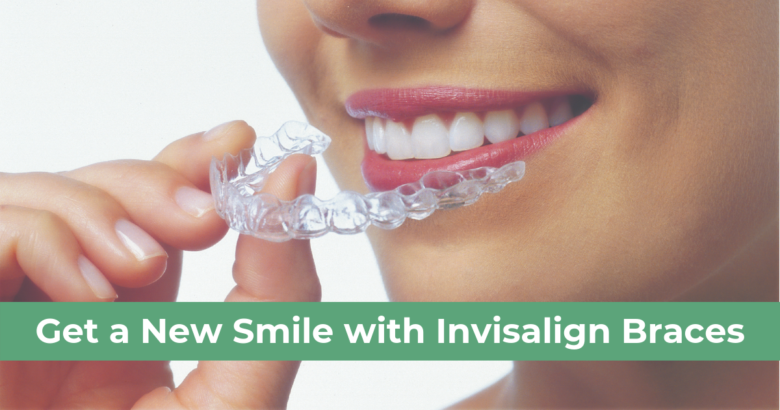
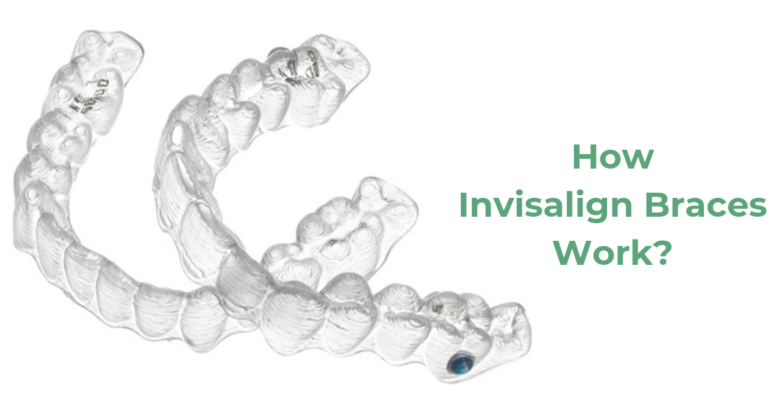
Invisalign aligners are virtually invisible that include no metal and are custom made for your teeth. They work in a series of trays that gradually shift your teeth into place. Generally, Invisalign can treat things like
- Gapped teeth
- Crowded teeth
- Mild overbite
How Do Invisalign Work?
When a dentist or orthodontist chooses how to correct your bite, they’ll make a plan for moving your teeth. If you get the clear aligners, you’ll be fitted for several versions that make slight adjustments to move your teeth over the treatment time.
They’re made from a clear plastic or acrylic material and fit firmly over the teeth, but can be removed for eating, brushing, and flossing. You’ll get a new aligner every few weeks to continue moving the teeth into the desired position.
Invisalign Treatment Timeline
For grown-ups, the treatment time for a normal adult case is around 12 months — this varies on the severity of every individual case. For teens, treatment time can differ. For all patients, your doctor will work closely with you to build an individual treatment plan completely customized to your unique needs.
Get Invisalign
Teeth & Braces is the Invisalign premium provider in Indore. Our goal is to give you the healthiest, straightest, and most beautiful smile we can! If you’re interested in learning more about treatment with Invisalign, get in touch with us today. We look forward to helping you find the smile you’ve been waiting for!
Watch success stories on YouTube
FAQs about Invisalign Braces
- What is Invisalign and how does it work?
Invisalign is a clear aligner system that straightens teeth using a customized series of transparent plastic trays. Each aligner applies controlled pressure on specific teeth, gradually shifting them into the desired position. - How do Invisalign aligners move teeth?
Every aligner is designed using 3D digital mapping. When worn, it gently guides teeth according to the pre-planned movements. You switch to a new tray every 1–2 weeks to progress through the treatment stages. - How long does Invisalign treatment usually take?
The typical treatment time is 6 to 18 months, depending on your alignment issues, treatment goals, and how consistently you wear the aligners. - What dental problems can Invisalign fix?
Invisalign can correct crowded teeth, gaps, crossbite, underbite, overbite, open bite, and mild to moderate alignment issues. Severe skeletal bite problems may need braces or combined treatments. - Is Invisalign painful?
Invisalign isn’t painful, but mild pressure or soreness is normal when switching to a new tray. This discomfort usually fades within 1–2 days as the teeth adjust. - How many hours per day should I wear Invisalign aligners?
You must wear aligners for 20–22 hours daily for effective results. Removing them for long durations may delay your treatment. - Can I eat or drink with Invisalign aligners on?
You should remove Invisalign before eating or drinking anything other than water. This prevents staining, cracking, and bacterial buildup. - Will Invisalign affect my speech?
Some people experience a slight lisp during the first few days. Your speech returns to normal as your tongue adjusts to the aligners. - How often do I change my Invisalign trays?
Most patients change aligners every 7–14 days. Your orthodontist will determine the exact schedule based on your progress. - Do I need retainers after completing Invisalign?
Yes. Retainers are essential to maintain your new smile and prevent teeth from shifting back to their old positions. - Is Invisalign suitable for everyone?
Invisalign works for most teens and adults with mild to moderate alignment issues. Complex bite corrections or severe crookedness may require traditional braces. - How much does Invisalign cost compared to braces?
The cost varies by case, but Invisalign is often slightly more expensive than braces due to digital planning and customized manufacturing. Prices can vary depending on treatment complexity. - How do I clean and maintain Invisalign aligners?
Rinse them with lukewarm water, brush them gently with a soft toothbrush, and avoid hot water to prevent warping. You should also maintain excellent oral hygiene. - How quickly will I start seeing results with Invisalign?
Some patients notice minor changes within a few weeks, while significant improvements typically become visible within 2–3 months. - What happens if I don’t wear my Invisalign aligners enough?
Your teeth may not move as planned, aligners may stop fitting properly, and your total treatment time will increase. Compliance is key for successful results.