Everything You Must Know About Dental Implant Surgery
Updated on November 13, 2025, for accuracy and clarity.
Missing teeth can make you feel hesitant when eating, talking or smiling, and create oral health problems for you as well. Yet, today, a dental implant procedure can give you a replacement tooth that looks, feels and functions as normally as the original.
What Is A Dental Implant Surgery?
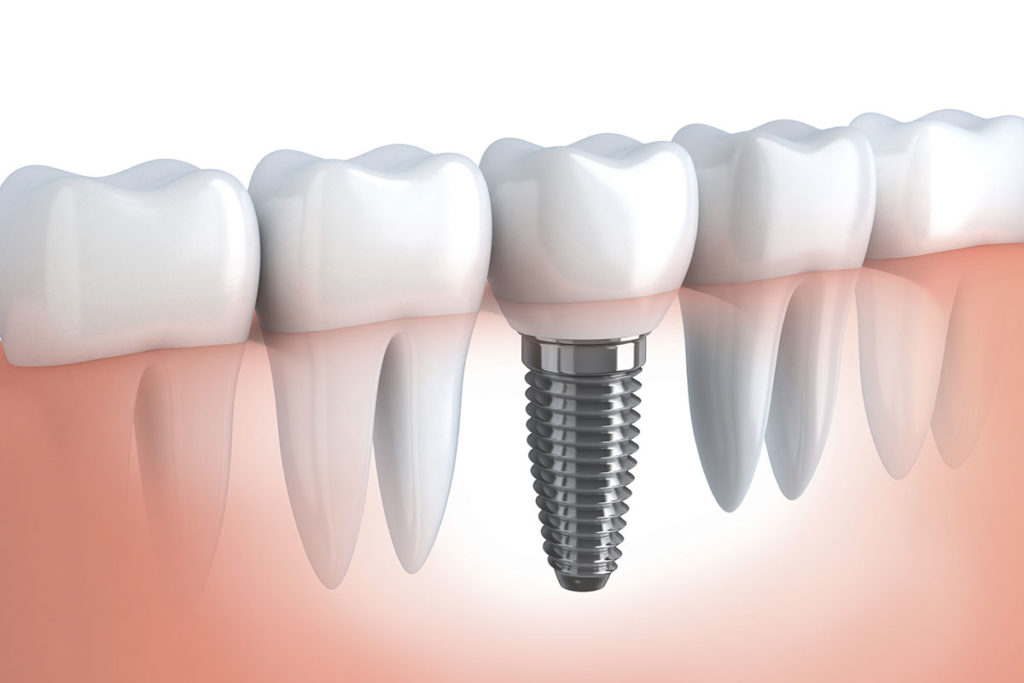
Dental implant surgery is a technique that replaces tooth roots with metal and damaged or missing teeth with artificial teeth that look and function much like actual ones.
Advantages of Dental Implants
- Implants don’t slip or shift, giving you the same stability and security as your natural teeth.
- Implants are cleaned in the same way as your natural teeth, so there’s no need to take them out at night for cleaning or soaking.
- Implants don’t rely on neighboring teeth for support; therefore, no tooth structure is lost, as is necessary when fabricating a bridge.
- Implants prevent the shifting of nearby teeth, preserving the jawbone and the contour of your face.
- Implants are an ideal cosmetic solution to missing teeth, allowing you to chew and speak with ease.
Placing the Implant
During surgery to place the dental implant, your oral surgeon makes a cut to open your gum and uncover the bone. Holes are penetrated into the bone where the dental implant metal post will be set. Since the post will fill in as the tooth root, it’s implanted deep into the bone.
At this point, you’ll still have a gap where your tooth is absent. A sort of partial, temporary denture can be placed for appearance if necessary. You can take away this denture for cleaning and while you sleep.
Get Implants: Book an Appointment
Deciding on a dental implant procedure is a big step that requires ample discussion with your dentist dental specialist. Contact the team at Teeth & Braces to schedule an appointment for Dental Implant Surgery in Indore.
FAQs About Dental Implant Surgery
1. What exactly is dental implant surgery and how does it work?
Dental implant surgery is a modern tooth replacement procedure where a titanium post is placed into the jawbone to act as an artificial tooth root. Over a few months, the implant fuses naturally with the bone through a process called osseointegration. Once healed, a crown, bridge, or denture is attached to the implant, restoring both function and aesthetics. This procedure offers a long-term, durable, and natural-looking solution for missing teeth.
2. Is an implant a surgery and what can I expect during the procedure?
Yes, an implant is a minor surgical procedure performed under local anesthesia by a trained implant dentist. During the process, a small incision is made in the gum to access the jawbone, and the implant post is precisely positioned. Patients generally experience little to no pain, and most return to normal activities within a day or two. The healing period allows the implant to integrate with the bone before the permanent crown is attached, completing the treatment.
3. Who is a good candidate for dental implants and when is the right time to get one?
Anyone with one or more missing teeth, healthy gums, and adequate bone density is typically a good candidate for dental implants. The ideal time to get an implant is soon after tooth loss to prevent bone resorption. However, with modern techniques like bone grafting, even patients with bone loss can receive implants successfully. A detailed dental evaluation helps determine the right time and treatment plan.
4. How long do dental implants last, and what are the long-term success rates?
When properly placed and maintained, dental implants can last 15 to 25 years or even a lifetime. The success rate of implants is remarkably high—around 95–98% according to global studies. Regular dental checkups, good oral hygiene, and avoiding habits like smoking can significantly increase the lifespan of your implants.
5. What are the benefits of choosing dental implants over dentures or bridges?
Dental implants offer numerous advantages compared to traditional dentures or bridges. They feel, look, and function like natural teeth, preserve jawbone density, and don’t require support from adjacent teeth. Unlike removable dentures, implants are fixed and stable, allowing patients to eat, speak, and smile with complete confidence.
6. What is the estimated tooth implant cost in Indore and what factors affect the price?
The tooth implant cost in Indore varies depending on several factors such as the number of implants, type of implant system used, bone condition, and additional procedures like grafting or sinus lift. On average, a single dental implant in Indore can range from ₹25,000 to ₹60,000. Choosing an experienced implant dentist ensures both quality and long-term success, making it a worthwhile investment in your oral health.
7. How do I choose the right implant dentist in Indore and what should I ask during consultation?
When looking for an implant dentist in Indore, focus on qualifications, experience, and technology. An ideal implantologist should hold advanced dental degrees, have a strong track record of successful cases, and use modern diagnostic tools like 3D scans and digital planning. During consultation, ask about implant options, treatment timeline, after-care, and expected results. Dr. Atul Jajoo’s clinic offers personalized implant solutions with a focus on precision, comfort, and aesthetics.
8. What is the difference between single-tooth implants, multiple-tooth implants, and implant-supported dentures?
A single-tooth implant replaces one missing tooth with an individual crown, while multiple-tooth implants support bridges for several missing teeth. For patients missing all teeth, implant-supported dentures or full-arch solutions like All-on-4 provide complete restoration. The right choice depends on the number of missing teeth, bone quality, and overall treatment goals.
9. What are the potential risks or complications associated with dental implant surgery?
Dental implant surgery is generally very safe, especially when performed by an experienced specialist. However, potential risks include infection, minor bleeding, implant failure, or nerve sensitivity. These complications are rare and can be minimized with proper planning, sterile technique, and post-operative care. Following your dentist’s after-care instructions helps ensure successful healing.
10. How should I care for my dental implants after surgery and what maintenance is required?
Caring for dental implants is similar to maintaining natural teeth. Brush twice daily, floss regularly, and use an antibacterial mouthwash. Avoid smoking, which can slow healing and affect implant success. Regular dental checkups every six months are crucial to monitor the health of the implant and surrounding gum tissue. With proper care, your implants can last a lifetime.